
Fractures & Trauma · Hand
Hand Fracture
(Broken Hand)
Broken bones of the hand may involve the fingers or the palm of the hand. Treatment ranges from splinting or casting to surgical fixation, depending on the fracture pattern and how stable the bone is.
Call our office · (623) 264-3300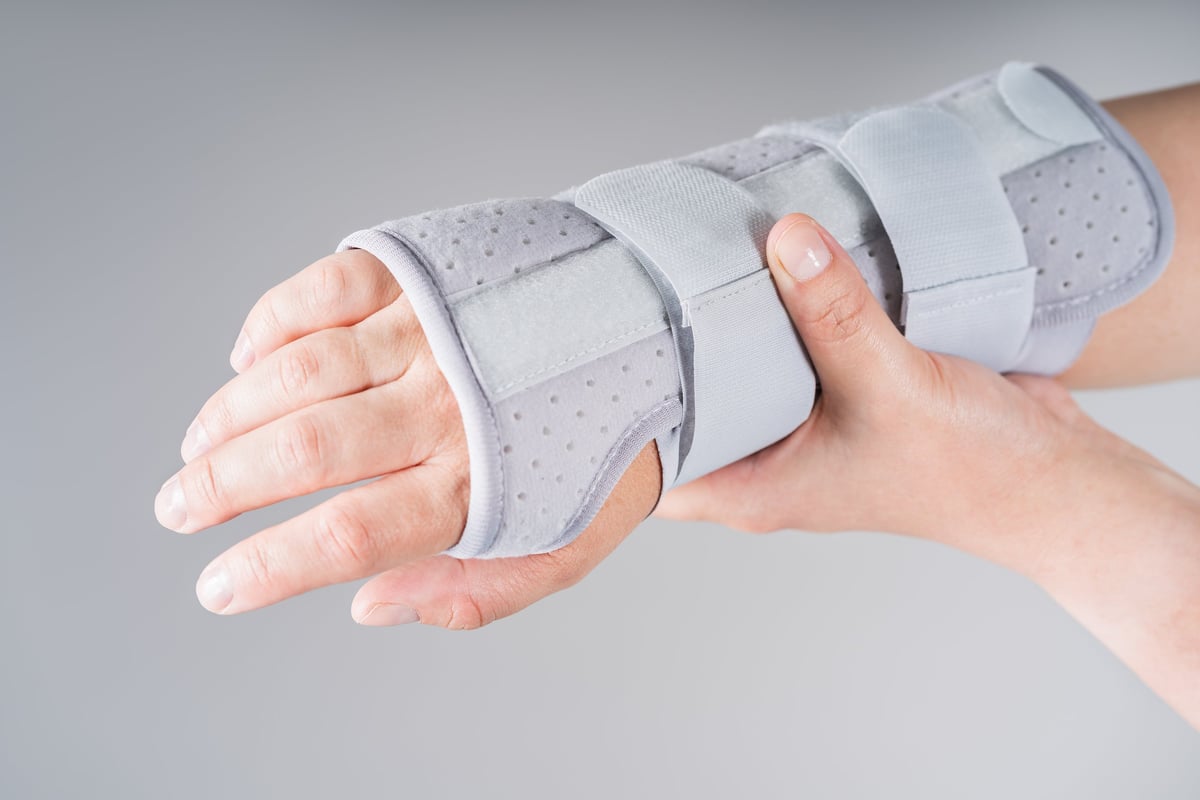
Overview
What Is a Hand Fracture?
Broken bones of the hand may involve the fingers or the palm of the hand. With some fractures (breaks), the fingers may be overlapped or cross over each other with movement, which can be a sign that the bone fragments have shifted.
A common location to sustain a break is the small finger metacarpal neck. This type of break is often referred to as a boxer’s fracture, with individuals often reporting that they punched a wall.
Boxer’s Fracture
The small finger metacarpal neck is a common location for a hand fracture. Because this injury frequently follows striking a hard surface, it is often called a boxer’s fracture. The fracture pattern and the position of the bone fragments help determine whether non-operative or operative treatment is appropriate.
What Patients May Notice
- Pain and swelling of the hand or fingers
- Tenderness over the injured bone
- Bruising around the fracture
- Fingers that overlap or cross over each other with movement
- Difficulty making a fist or gripping
- A visible deformity or an abnormal bend in the finger
When to Seek Evaluation
A suspected broken hand is worth evaluating. The decision regarding nonoperative versus operative treatment is complex and should be discussed with your treating physician. Evaluation helps determine the fracture pattern and whether the bone fragments are in a position to heal well.
Request an AppointmentRelated Conditions
Treatment Options
Non-Operative Treatment
Non-operative treatment options for hand fractures include immobilization (splinting or casting) with or without manipulation of the bone fragments.
Splinting or Casting
Immobilization holds the bone fragments in position while the fracture heals. The type and duration of immobilization depends on which bone is broken and how stable the fracture is.
Manipulation Without Surgery
In some fractures, the bone fragments may be repositioned without an operation and then held in place with a splint or cast. Whether this is appropriate depends on the fracture pattern.
Exercises & Therapy
After sustaining a broken hand, individuals may develop stiffness. A course of exercises and therapy to assist with symptoms may be discussed by your treating physician as part of your recovery.
Nonoperative treatment also carries risks and benefits which should be discussed with your treating physician.
Surgical Treatment
Operative Treatment Options
Operative treatment options include closed reduction and pinning, open reduction and internal fixation, and external fixation techniques. The technique selected depends on the location of the fracture, the pattern of the break and the condition of the surrounding soft tissues.
The decision regarding nonoperative versus operative treatment is complex and should be discussed with your treating physician.
Discussing Risks & Benefits
Outcomes after hand surgery vary and risks and benefits should be discussed in detail with your treating physician. Nonoperative treatment also carries risks and benefits which should be discussed with your treating physician.
Surgical Techniques
- Closed reduction and pinning
- Open reduction and internal fixation
- External fixation techniques
- The choice depends on fracture location and pattern
Suspect a Broken Hand?
An evaluation can determine the fracture pattern and help you understand whether non-operative or operative treatment is the better path for your injury.
Request an AppointmentCommon Questions
Hand Fracture FAQs
What is a hand fracture?+
Broken bones of the hand may involve the fingers or the palm of the hand. With some fractures (breaks), the fingers may be overlapped or cross over each other with movement.
What is a boxer's fracture?+
A common location to sustain a break is the small finger metacarpal neck. This type of break is often referred to as a boxer's fracture, with individuals often reporting that they punched a wall.
Can a broken hand be treated without surgery?+
Non-operative treatment options for hand fractures include immobilization (splinting/casting) with or without manipulation of the bone fragments. Nonoperative treatment also carries risks and benefits which should be discussed with your treating physician.
What surgical options exist for a broken hand?+
Operative treatment options include closed reduction and pinning, open reduction and internal fixation, and external fixation techniques. The decision regarding nonoperative versus operative treatment is complex and should be discussed with your treating physician.
Will my hand be stiff after a fracture?+
After sustaining a broken hand, individuals may develop stiffness. A course of exercises and therapy to assist with symptoms may be discussed by your treating physician.
Read more about when a wrist fracture needs surgery or explore fracture and injury care.
Precision Hand and Orthopedic Surgery
Injured Your Hand? Get the Right Care.
If you suspect a broken hand, an evaluation with Tanay Amin, MD, FAAOS can determine the fracture pattern and help you understand which treatment approach is right for your injury.
(623) 264-3300 · Now accepting new patients
Disclaimer: This information is not intended to convey, substitute or supplant any medical advice. In order to establish a treating relationship, please schedule and complete your visits with a licensed physician.
Copyright 12/9/2021 Tanay Amin, MD. Do not copy, distribute, or publish this article. Please contact Precision Hand and Orthopedic Surgery PLLC with regards to any inquiries or corrections.